




New Homes Section

Top Builders inCalifornia

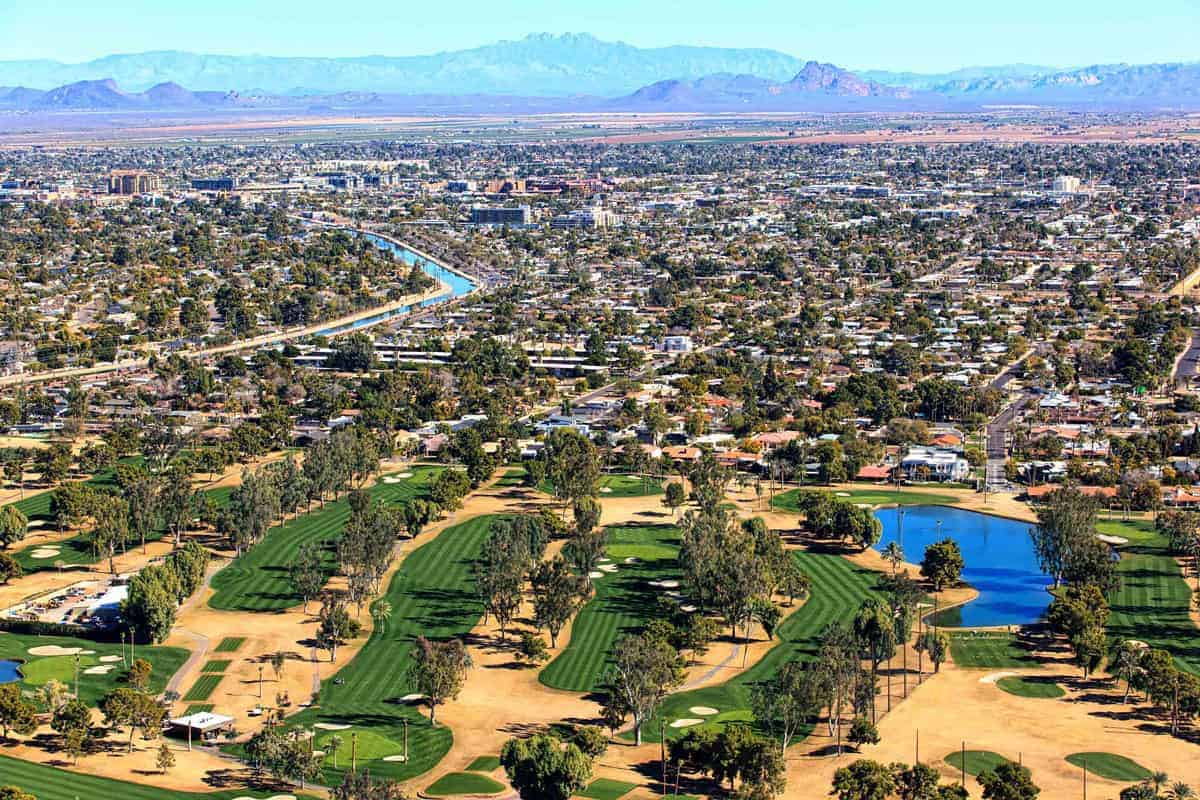
California asks a lot of its homebuyers — that's no secret. But what it gives back is unmatched: a coastline stretching nearly 900 miles, ski resorts a few hours from the beach, the world's fifth-largest economy, and a cultural diversity that makes every corner of the state feel like its own distinct world. The job market runs deep across tech, entertainment, agriculture, biotech, and clean energy, creating career opportunities that simply don't exist at the same scale anywhere else. Neighborhoods from the Central Valley to the Inland Empire have offered more attainable price points for buyers priced out of coastal markets, and new construction continues to expand options. California living means near-perfect weather across much of the state, world-class dining, arts, universities, and national parks virtually in your backyard. For buyers who want maximum lifestyle in exchange for their investment, California remains in a category of its own.

Builders
44
City markets
84
Verified builders
2

California Builders

Showing 44 builders

Palm Harbor Homes Logo

Palm Harbor Homes

Est. 1977Addison, TX

Palm Harbor Homes serves California buyers with manufactured and modular homes built in controlled factory environments and delivered nearly complete to the home site. The company has specialized in on-your-lot construction for almost 50 years, working with buyers who own land…

Building in:AZCAFLNMNVOKORTXWA
Pulte Logo

Pulte

Est. 1950Atlanta, GA

In California, Pulte builds new homes shaped by decades of consumer research. The company's Life Tested designs prioritize the things buyers consistently ask for: open kitchens that anchor the home, storage where it is actually needed, and rooms that flex as life changes…

Building in:AZCACOFLGAILINKYMAMDMIMNNCNJNMNVOHORPASCTNTXVAWA
Richmond American Homes Logo

Richmond American Homes

Est. 1977Denver, CO

Homes in California run from about 1,390 to 4,957 square feet and have three to six bedrooms, spread over roughly 51 communities listed in 2026. Richmond American builds in five markets here: the Inland Empire, with cities such as Temecula, Menifee and Victorville, then the Bay…

Building in:AZCACOFLIDMDNMNVORTNUTVAWA

Riverland Homes, Inc.

Est. 2001Sacramento, CA

A Sacramento-area home builder and developer since 2001, we build communities designed around how people actually live. At Tegan Estates in Elk Grove, buyers find new homes in one of the region's most established suburban markets. In Galt, Dry Creek Oaks offers something…

Building in:CA

Robson Homes

Campbell, CA

We were founded in San Jose in 1989, and we have been designing and building across Silicon Valley ever since. Our portfolio spans single-family homes, multi-family residences and mixed-use projects, a range that reflects how the Bay Area itself has grown. Recognition has…

Building in:CA
Shea Homes Logo

Shea Homes

Est. 1968Walnut, CA
Building in:AZCACOFLGA

Silvercrest Homes

Est. 1969Corona, CA

We are a factory-built homebuilder and Champion Homes brand founded in Corona, California in 1969. We design and manufacture customizable manufactured homes, park models and accessory dwelling units that are sold through authorized retailers and communities. Our profile should…

Building in:CA

Summit Homebuilders Inc.

Farmersville, CA

We do our work in California's Central Valley, building semi-custom subdivisions and gated communities in the region. Our current community, The Villas at Sierra Ranch in Tulare, California, continues that approach. Through our design studio, we offer what we describe as the…

Building in:CA

Sun Country Homes

Est. 1983Vancouver, WA

California's Central Valley is where we do our work, building semi-custom subdivisions and gated communities in the region. Our current community, The Villas at Sierra Ranch in Tulare, California, carries that approach forward. Through our design studio, we offer what we…

Building in:CA
Taylor Morrison Logo

Taylor Morrison

VerifiedPremium
Est. 1936Scottsdale, AZ
Building in:AZCACOFLGAINNCNVORSCTXWA
Terrata Homes Logo

Terrata Homes

Est. 2003The Woodlands, TX

In California, Terrata Homes offers move-in-ready homes designed for buyers who want luxury without the wait. As LGI Homes' luxury brand, Terrata outfits each home with premium finishes at no additional cost: quartz counters, stainless appliances, designer cabinetry, and…

Building in:AZCACOFLNCOKORSCTNTXUTWA
Toll Brothers Logo

Toll Brothers

Est. 1967Horsham, PA
Building in:AZCACOCTDEFLGAIDMAMDMINCNJNVNYORPASCTNTXUTVAWA
PreviousPage 3 of 4Next

Latest California Articles

· NHS

Taylor Morrison’s 5 Best Master Planned Communities For 2018

Lifestory Research named Taylor Morrison ‘American’s Most Trusted Homebuilder’ for 2017, and the company is working hard to ensure prospective homeowners have a choice. It is planning to build more houses in its master-planned communities in 2018 and here are five of the best locations. If you’re looking to live in the Tampa area, you …Read more

Read article →

· NHS

The 5 Best U.S. Housing Markets in 2018

Purchasing a house is by far the biggest investment decision you’ll ever make. Get it right, and you could be in for a comfortable lifestyle. Get it wrong, and tens of thousands of dollars could be stripped off your prized asset. If you’re keen to move out of a location that is pushing your bill …Read more

Read article →

· NHS

5 of the Best 55+ Active Communities in the United States for 2017

The process of visiting active adult and 55+ communities is potentially intimidating. This is especially the case when you roll up to a gated entrance and speak to a patrol guard. After all, you just want somewhere fun and relaxing to retire. Please bear in mind that the security measures are for safety reasons and …Read more

Read article →

State Guide

New Homes in California

California Housing Overview

California’s housing market remains defined by extreme supply constraints, high land values, and strong economic concentration along the coast and in major inland job centers. The statewide typical home value was about $775,550 in spring 2026, while median household income reached $100,600 in 2024, showing that California’s market is both expensive and supported by high incomes relative to many states. ADU policy has become a major part of the state’s housing response, while infill development and inland master-planned communities continue to absorb demand from buyers priced out of the coastal metros.

California’s population stood at 39,355,309 in 2025, and the state continued to add housing demand despite slower population growth than in prior decades. The unemployment rate was 5.3% in spring 2026, which is higher than the national average and suggests a labor market that remains important to housing demand but not especially tight by California standards.

Builder Landscape

California’s builder landscape is shaped by land scarcity, regulation, wildfire and environmental constraints, and a constant split between coastal affordability pressure and inland growth. Large national builders such as Lennar, KB Home, Taylor Morrison, TRI Pointe Homes, and The New Home Company are active across the state, especially in suburban Southern California, the Inland Empire, the Central Valley, and selected Bay Area fringe markets.

Single-family detached homes remain the core product type in inland submarkets, while attached homes, townhomes, and condominiums are more common in higher-density coastal and urban infill areas. ADUs have become an especially important part of California’s new-home and small-scale development ecosystem, with statewide permits providing a meaningful supplement to conventional housing production.

Builders increasingly target master-planned communities in the Inland Empire, Sacramento area, Fresno-Clovis, Bakersfield, and select exurban Bay Area corridors where land is still available at workable prices. In high-cost coastal counties, new supply is more likely to take the form of infill, teardown-rebuilds, and multifamily or mixed-use redevelopment.

Featured Cities

San Francisco

California’s highest-cost market remains defined by limited supply, high incomes, and persistent demand for urban luxury and infill housing. Traditional single-family production is limited, so most new development comes through condominiums, townhomes, and redevelopment projects.

Los Angeles

The region combines dense infill, luxury coastal product, and strong demand in suburban growth corridors such as the San Fernando Valley, the Inland Empire, and parts of North County-adjacent markets. High land values and zoning constraints keep new detached supply limited relative to inland California.

San Diego

New construction remains constrained by geography and regulation, which helps keep prices elevated across the metro. The market leans toward higher-density product, infill, and premium detached homes in suburban pockets.

Sacramento

The capital region remains one of the state’s more active new-home markets because it offers comparatively better affordability and room for suburban expansion. That combination keeps Sacramento important for both first-time and move-up buyers.

Fresno / Bakersfield / Central Valley

The Central Valley continues to offer some of the state’s most attainable new-construction options, with larger lots and lower price points than coastal California. These inland markets are especially important for buyers looking for California ownership without coastal pricing.

San Jose / Silicon Valley

The Bay Area’s tech economy supports very high incomes but also some of the state’s most constrained housing supply. New development is often infill-heavy and expensive, with detached production much more limited than in inland counties.

FAQs About New Homes in California

What is the median home price in California?+

California’s typical home value was about $775,550 in spring 2026, based on Zillow’s Home Value Index.

What is the median household income in California?+

California’s median household income was $100,600 in 2024.

What cities in California have the most active new-home communities?+

The most active new-home areas are generally in the Inland Empire, Sacramento region, Fresno-Clovis, Bakersfield, and selected suburban corridors around Los Angeles and San Diego, with ADUs also playing a major role statewide.

Can homebuyers find new construction homes in California from the $300s?+

Yes, but mostly in inland markets and some exurban or smaller-city submarkets rather than the coastal metros. The Central Valley and some Sacramento-area communities are more likely to offer entry points near that range than Los Angeles, San Francisco, or San Diego.

Is California a good state for ADU buyers and investors?+

Yes. California’s ADU market is one of the most active in the country, and 2024 statewide ADU permits were reported at 38,910 in the cited 2026 market analysis.

Why are so many people still buying in California despite the cost?+

California combines top-tier job markets, climate, cultural amenities, and inland affordability pockets that keep demand alive even at high price levels. Strong income levels also help sustain the market.

What is the job market like in California?+

California’s unemployment rate was 5.3% in spring 2026, which indicates a labor market that is still significant but not especially tight. Housing demand remains heavily influenced by tech, entertainment, logistics, healthcare, and trade.

Are builders offering incentives on new homes in California?+

Yes, but incentives vary widely by metro and product type. They are more common in competitive inland markets and on standing inventory than in ultra-constrained coastal submarkets.

What major industries drive California’s economy?+

Technology, entertainment, agriculture, logistics, healthcare, trade, and professional services are the state’s biggest drivers. That economic diversity is one reason California continues to support a very large housing market.

What is California’s housing market outlook?+

California’s market remains expensive, supply-constrained, and highly segmented by region. Coastal areas stay price-heavy and inventory-light, while inland markets continue to provide the state’s most feasible new-home options.